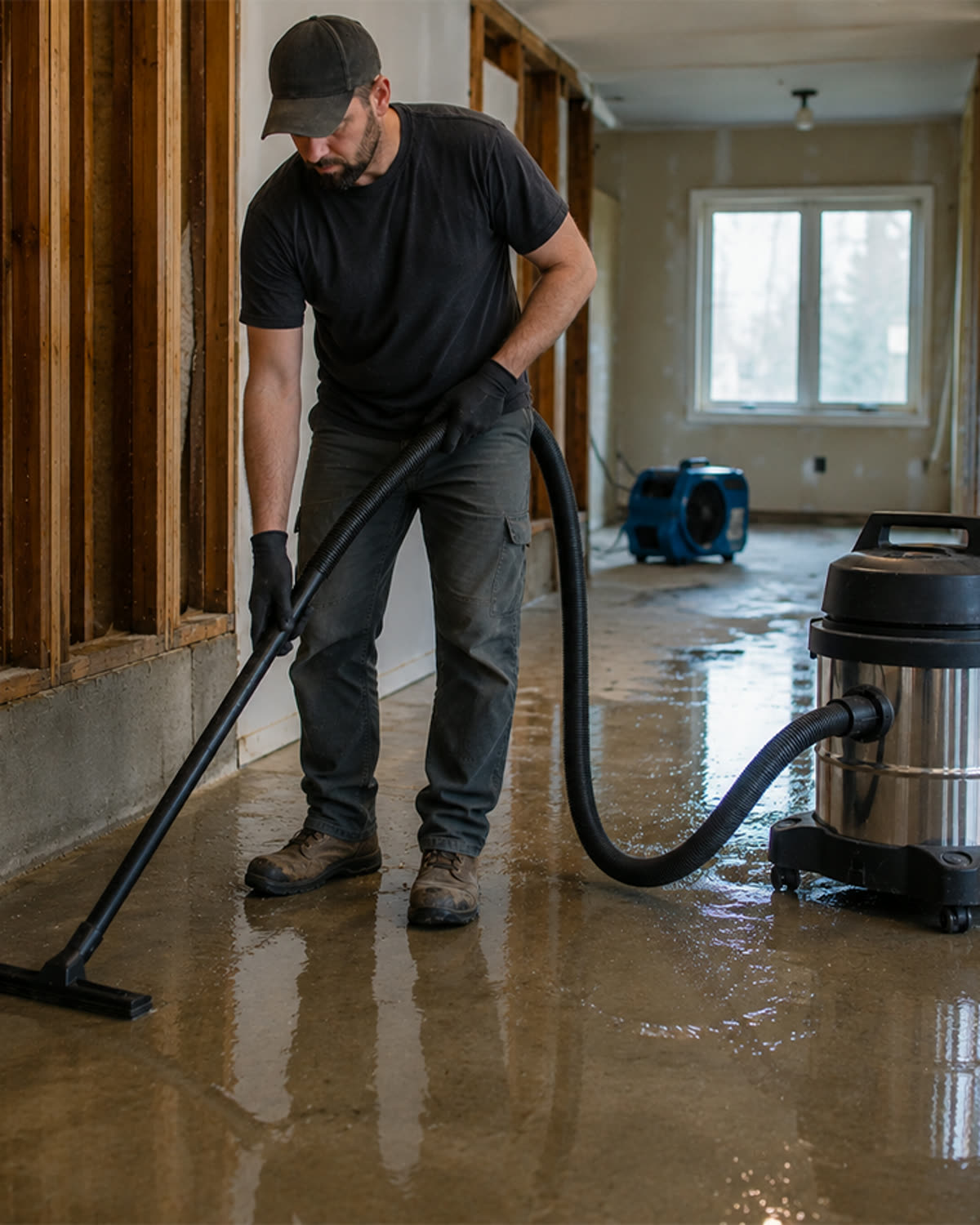
A shop vacuum can develop several different odors.
It may smell:
- Musty
- Sour
- Burnt
- Like wet dog
- Like sewage
- Like mildew
- Like hot plastic
- Like the material collected
The smell is a diagnostic clue.
A musty odor usually points to moisture and organic debris.
A burning odor may indicate restriction, overheating, or an electrical problem.
A sewage-like odor may come from contaminated water or biological material.
The correct fix begins with identifying the type of smell.
Quick Answer
A shop vacuum may smell bad because of:
- Damp debris
- Wet filter
- Dirty hose
- Organic material
- Mold or mildew
- Contaminated water
- Overloaded collection bag
- Fine dust coating internal surfaces
- Motor overheating
- Damaged electrical components
If the smell is burnt, electrical, or accompanied by smoke, sparks, excessive heat, or unusual noise, stop using the vacuum and unplug it immediately.
For musty or sour odors, empty, clean, inspect, and completely dry the tank, hose, filter, float, and attachments.
The Odor Source Map™
Odor can originate from five areas:
Collected Material

↓

Tank and Bag

↓

Hose and Attachments

↓

Filter

↓

Motor and Electrical Components
Finding the source prevents unnecessary cleaning or unsafe continued use.
Cause 1: Wet Organic Debris
Common sources include:
- Pet hair
- Food debris
- Leaves
- Carpet water
- Grooming residue
- Dirty floor water
- Sewage-contaminated material
Moist organic debris supports odor-producing microbial growth.
Cause 2: A Damp Filter
A damp filter may trap:
- Dust
- Hair
- Bacteria
- Organic particles
Air passing through it carries the odor directly to the exhaust.
Replace the filter if it is:
- Non-washable
- Moldy
- Permanently odorous
- Damaged
- Unable to dry completely
Cause 3: Water Trapped in the Hose
Corrugated hoses can retain liquid even after the tank is empty.
That water may contain:
- Dirt
- Shampoo
- Pet residue
- Mud
- Cleaning solution
- Organic contamination
A clean tank will not solve an odor trapped inside the hose.
Cause 4: Dirty Collection Bag
A reusable bag may retain:
- Fine dust
- Hair
- Moisture
- Organic debris
A disposable bag may smell when:
- Overfilled
- Damp
- Stored too long
- Used for food or pet debris
Replace or clean the collection system according to its instructions.
Cause 5: Mold or Mildew
Mold and mildew may develop when the vacuum is stored:
- Damp
- Closed
- Warm
- Contaminated with organic debris
Inspect:
- Filter pleats
- Tank seams
- Hose
- Float cage
- Bag
- Attachments
- Lid gasket
Cause 6: Contaminated Water
Water collected from:
- Drains
- Floods
- Carpet
- Kennels
- Basements
- Bathrooms
may leave persistent odor.
Some contaminated material requires specialized handling and disinfection.
Cause 7: Motor Overheating
A burning smell may result from:
- Clogged filter
- Blocked hose
- Full bag
- Closed float
- Covered cooling vents
- Failing motor
- Electrical damage
The Heat Odor Warning™
Restriction

↓

Reduced Cooling Airflow

↓

Motor Temperature Rises

↓

Hot Dust, Plastic, or Electrical Odor
Do not mask a burning smell with fragrance.
Correct the airflow or electrical problem.
Cause 8: Material-Specific Odor
Some materials naturally leave strong smells:
- Wet concrete residue
- Adhesives
- Solvents
- Pet waste
- Smoke residue
- Mold-contaminated debris
Confirm that the vacuum is suitable for the material before collection.
How to Remove a Musty Odor
- Unplug the vacuum.
- Empty the tank or bag.
- Inspect the filter.
- Clean approved tank surfaces.
- Clear and clean the hose.
- Inspect the float cage.
- Clean attachments.
- Dry every component completely.
- Replace permanently contaminated filters or bags.
- Store with ventilation when appropriate.
The Odor Elimination Sequence™
Remove Contaminated Material

↓

Clean Residue

↓

Dry Completely

↓

Replace Absorbent Components When Needed

↓

Prevent Moisture Return
Adding fragrance without removing contamination only covers the smell temporarily.
How to Diagnose a Burning Smell
Stop immediately and inspect:
- Filter restriction
- Bag fullness
- Hose clog
- Float position
- Motor vents
- Power cord
- Plug
- Switch
- Unusual heat
- Smoke or sparks
Do not disassemble electrical components unless qualified and authorized.
Odor Diagnostic Table
| Odor | Likely Cause | First Action |
|---|---|---|
| Musty | Damp filter or tank | Empty and dry |
| Sour | Organic debris | Clean hose and tank |
| Wet dog | Pet hair and moisture | Clean entire airflow path |
| Sewage | Contaminated water | Stop and use appropriate procedures |
| Burnt dust | Clogged filter | Restore airflow |
| Hot plastic | Motor or electrical heat | Unplug immediately |
| Chemical | Collected substance | Confirm vacuum suitability |
| Moldy | Long-term damp storage | Inspect and replace contaminated parts |
Odor Prevention Checklist
- Empty wet material immediately
- Remove organic debris
- Clean hose after contaminated liquid
- Inspect filter after wet use
- Dry tank completely
- Dry hose completely
- Store bags dry
- Keep float cage clean
- Do not close wet equipment
- Monitor airflow
- Replace permanently odorous filters
- Store in a ventilated dry location
Common Mistakes
Spraying Fragrance Into the Vacuum
This does not remove the source and may damage components.
Storing Dirty Water Overnight
Odor develops rapidly.
Cleaning Only the Tank
The hose or filter may remain contaminated.
Reusing a Moldy Filter
Air carries the odor through the exhaust.
Ignoring a Burning Smell
It may indicate overheating or electrical failure.
Closing the Lid Before Drying
Trapped moisture encourages microbial growth.
Frequently Asked Questions
Why does my vacuum smell musty?
Moisture is likely trapped in the filter, hose, tank, bag, or float area.
Why does it smell burnt?
Restricted airflow, motor overheating, or an electrical problem may be responsible.
Can I put deodorizer in the tank?
Only use products approved for the vacuum and application. Deodorizer does not replace cleaning.
How do I remove a wet-dog smell?
Remove hair, clean the hose and tank, inspect the filter, and dry everything fully.
Should I replace the filter?
Replace it when odor remains after approved cleaning and complete drying.
Why does the smell return?
Contamination may remain in a hidden component or the vacuum may be stored damp.
Key Takeaways
Vacuum odor usually comes from:
- Moisture
- Organic debris
- Dirty filters
- Contaminated hoses
- Overheating
Remove the source instead of masking it.
A clean vacuum should contain dry components, unrestricted airflow, and no organic residue left inside the collection path.