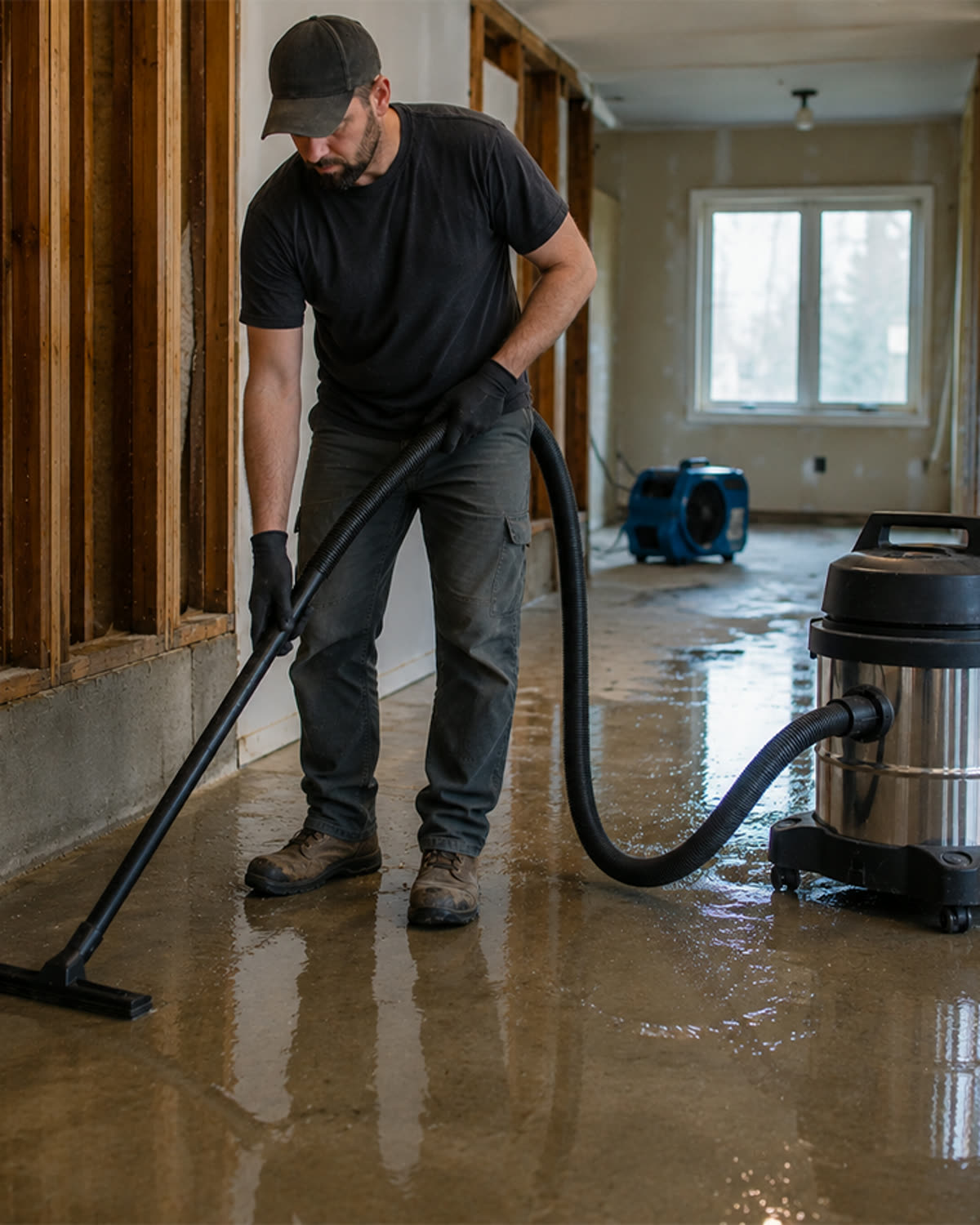
There is no fixed lifespan for a shop vacuum.
A lightly used vacuum may remain functional for many years.
A machine exposed daily to drywall dust, concrete dust, water, clogs, and overheating may fail much sooner.
Vacuum life depends on:
- Material collected
- Frequency of use
- Filter protection
- Motor cooling
- Maintenance
- Bag and filter quality
- Hose restriction
- Wet-use practices
- Component durability
- Repairability
The machine usually does not fail simply because it reached a certain age.
It fails because one or more systems accumulated enough wear.
Quick Answer
A shop vacuum lasts longer when:
- Fine dust is captured before reaching the filter.
- Filters are kept clean and intact.
- Airflow remains open.
- The motor does not repeatedly overheat.
- Wet pickup is configured correctly.
- The tank, hose, and float are cleaned.
- Electrical cords and switches are protected.
- Worn parts are replaced promptly.
- The vacuum is stored dry.
Replace or professionally evaluate the vacuum when it develops:
- Persistent burning smell
- Smoke or sparks
- Repeated electrical trips
- Severe motor noise
- Permanent suction loss
- Cracked motor housing
- Liquid intrusion
- Repair costs approaching replacement cost
The Vacuum Lifespan Equation™
Build Quality

+

Maintenance

+

Filter Protection

+

Correct Use

−

Heat

−

Dust Bypass

−

Moisture Damage

−

Physical Abuse

=

Useful Vacuum Life
Age is only one variable.
Factor 1: Fine-Dust Exposure
Fine dust is one of the most damaging workloads.
It can:
- Load filters
- Enter weak seals
- Coat motor areas
- Restrict cooling
- Abrade components
- Increase maintenance
Examples include:
- Drywall dust
- Concrete dust
- Cement powder
- Fine sawdust
- Sanding dust
Effective pre-collection can significantly reduce this burden.
Factor 2: Motor Heat
Vacuum motors rely on airflow for cooling.
Filter Loads

↓

Airflow Falls

↓

Cooling Declines

↓

Motor Temperature Rises

↓

Insulation and Bearings Wear Faster
Repeated heat cycles may shorten motor life even when the vacuum continues running.
Factor 3: Collection-System Design
A vacuum using:
- Effective collection bag
- Reusable pre-collection
- Cyclone
- Large filter area
- Good seals
may keep dust away from the filter and motor longer.
Open-tank fine-dust collection generally creates a heavier filter workload.
Factor 4: Maintenance Frequency
Maintenance should be based on material and use—not calendar time alone.
A vacuum collecting drywall dust daily needs more inspection than one used monthly for vehicle cleanup.
Factor 5: Wet-Use Practices
Wet pickup can shorten equipment life when:
- Tank is overfilled
- Float sticks
- Motor receives moisture
- Components remain wet
- Filters are incorrectly configured
- Chemical residue remains
- Freezing damages water-filled parts
Correct drying and storage are essential.
Factor 6: Hose and Airflow Restrictions
Long-term operation with:
- Clogged hose
- Collapsed hose
- Full bag
- Blocked filter
- Closed float
may increase motor heat.
Restrictions should be treated as mechanical stress—not merely reduced pickup.
Factor 7: Physical Damage
Common jobsite failures include:
- Broken casters
- Cracked tank
- Damaged latches
- Split hose
- Broken cord wrap
- Damaged power cord
- Bent filter cage
- Loose switches
A motor may remain functional while the surrounding machine becomes impractical or unsafe.
Factor 8: Replacement-Part Availability
A serviceable vacuum may remain useful longer because these parts can be replaced:
- Filters
- Hoses
- Cords
- Switches
- Wheels
- Latches
- Seals
- Motor brushes
- Attachments
A small unavailable component may end the life of an otherwise functional machine.
The Repairability Dividend™
Replaceable Components

↓

Small Failures Repaired

↓

Complete Machine Replacement Delayed
Repairability should be considered during purchase.
Warning Signs of Normal Wear
These may require maintenance rather than replacement:
- Gradual suction decline
- Clogged filter
- Worn hose
- Damaged wheel
- Loose latch
- Full bag
- Dirty float
- Minor seal leak
- Worn attachment
Warning Signs of Serious Failure
Stop and evaluate the vacuum if you notice:
- Smoke
- Sparks
- Electrical burning smell
- Repeated breaker trips
- Grinding motor
- Severe vibration
- Water at exhaust
- Melted housing
- Damaged cord conductors
- Motor failing to start
- Excessive heat after airflow is restored
Repair or Replace?
Consider repairing when:
- The motor remains healthy.
- The problem is an accessible replaceable part.
- Replacement parts are available.
- The tank and housing are structurally sound.
- Repair cost is low relative to replacement.
- The vacuum still fits the workflow.
Consider replacement when:
- Motor repair is uneconomical.
- Electrical safety is uncertain.
- Parts are unavailable.
- The housing is damaged.
- The vacuum repeatedly overheats.
- Performance no longer meets the work.
- Consumable costs are excessive.
- Downtime is affecting production.
The Replacement Decision Formula™
Repair Cost

+

Expected Future Repairs

+

Downtime

+

Operating Cost

Compared With

Replacement Cost

+

Improved Productivity

+

Lower Consumable Cost
The cheapest immediate option may not be the lowest-cost business decision.
Hidden Signs the Vacuum Is Aging
- Suction no longer fully recovers after filter service
- Motor takes longer to start
- Bearings become louder
- Switch operation becomes inconsistent
- Cord becomes stiff or cracked
- Tank seals leak
- Wheels fail repeatedly
- Hose cuffs loosen
- Filter mount no longer seals reliably
Track recurring issues rather than treating each one as isolated.
How to Extend Vacuum Life
Protect the Filter
Use suitable:
- Collection bags
- Reusable systems
- Cyclones
- Pre-filters
Maintain Airflow
Clear:
- Hoses
- Attachments
- Filters
- Bags
- Float
Prevent Moisture Damage
- Use correct wet configuration.
- Empty promptly.
- Dry completely.
- Store properly.
Protect Electrical Components
- Use suitable power sources.
- Avoid damaged extension cords.
- Keep plugs dry.
- Inspect the cord.
Avoid Physical Abuse
- Secure the vacuum during transport.
- Do not pull it by the cord.
- Protect the lid and motor housing.
- Store the hose without crushing.
The Lifespan Protection Loop™
Pre-Collect Dust

↓

Maintain Airflow

↓

Control Heat

↓

Prevent Moisture

↓

Repair Small Failures

↓

Store Correctly

↓

Extend Useful Life
Professional Replacement Planning
Contractors should avoid waiting for complete failure.
A planned replacement can prevent:
- Job interruption
- Emergency purchases
- Lost cleanup capability
- Improvised unsafe repairs
- Delayed projects
Track:
- Purchase date
- Filter spending
- Bag spending
- Repairs
- Downtime
- Motor issues
- Suction performance
Vacuum Lifespan Checklist
- Filter protected
- Airflow maintained
- Hose clear
- Bag changed appropriately
- Motor not overheating
- Float functional
- Tank dry after wet use
- Cord undamaged
- Wheels and latches serviceable
- Replacement parts available
- Repair costs tracked
- Downtime tracked
- Performance meets workload
Common Mistakes
Waiting for the Motor to Fail Completely
Earlier warning signs may justify planned replacement.
Replacing the Vacuum for a Clogged Filter
Maintenance may restore performance.
Repeatedly Overheating the Motor
Each heat cycle may accelerate wear.
Ignoring Consumable Cost
An inexpensive vacuum may be expensive to operate.
Treating Water Intrusion as Minor
Moisture may create electrical damage.
Using Improvised Repairs on Power Components
Electrical repairs require proper parts and qualification.
Frequently Asked Questions
How many years should a shop vacuum last?
There is no universal number. Usage intensity, dust type, heat, maintenance, and build quality determine service life.
Does drywall dust shorten vacuum life?
It can when the dust rapidly loads filters, reduces cooling, or enters internal components.
Can replacing the filter restore an old vacuum?
Yes, when restriction is the main problem and the motor remains healthy.
Is it worth replacing the motor?
That depends on motor cost, labor, parts availability, housing condition, and replacement-vacuum cost.
Should contractors replace vacuums on a schedule?
Condition-based replacement supported by maintenance and cost records is usually more useful than age alone.
Does a reusable bag extend vacuum life?
It may help when it reduces filter loading, maintains airflow, and protects the motor from fine dust.
Key Takeaways
Shop vacuum lifespan depends on workload and maintenance more than age.
The greatest threats are:
- Fine dust
- Restricted airflow
- Motor heat
- Moisture
- Electrical damage
- Physical abuse
A vacuum lasts longest when dust is stopped early, airflow remains open, and the motor is kept cool and dry.
Related guides
- shop vacuum maintenance checklist
- shop vacuum buying guide
- shop vacuum accessories guide
- shop vacuum tank size vs. usable capacity
- downtime as the hidden cost of a dying vac
- related: what size shop vacuum for how long shop vacuums last users
- related: shop vacuum lost suction for how long shop vacuums last users
- understanding CFM and water lift specs