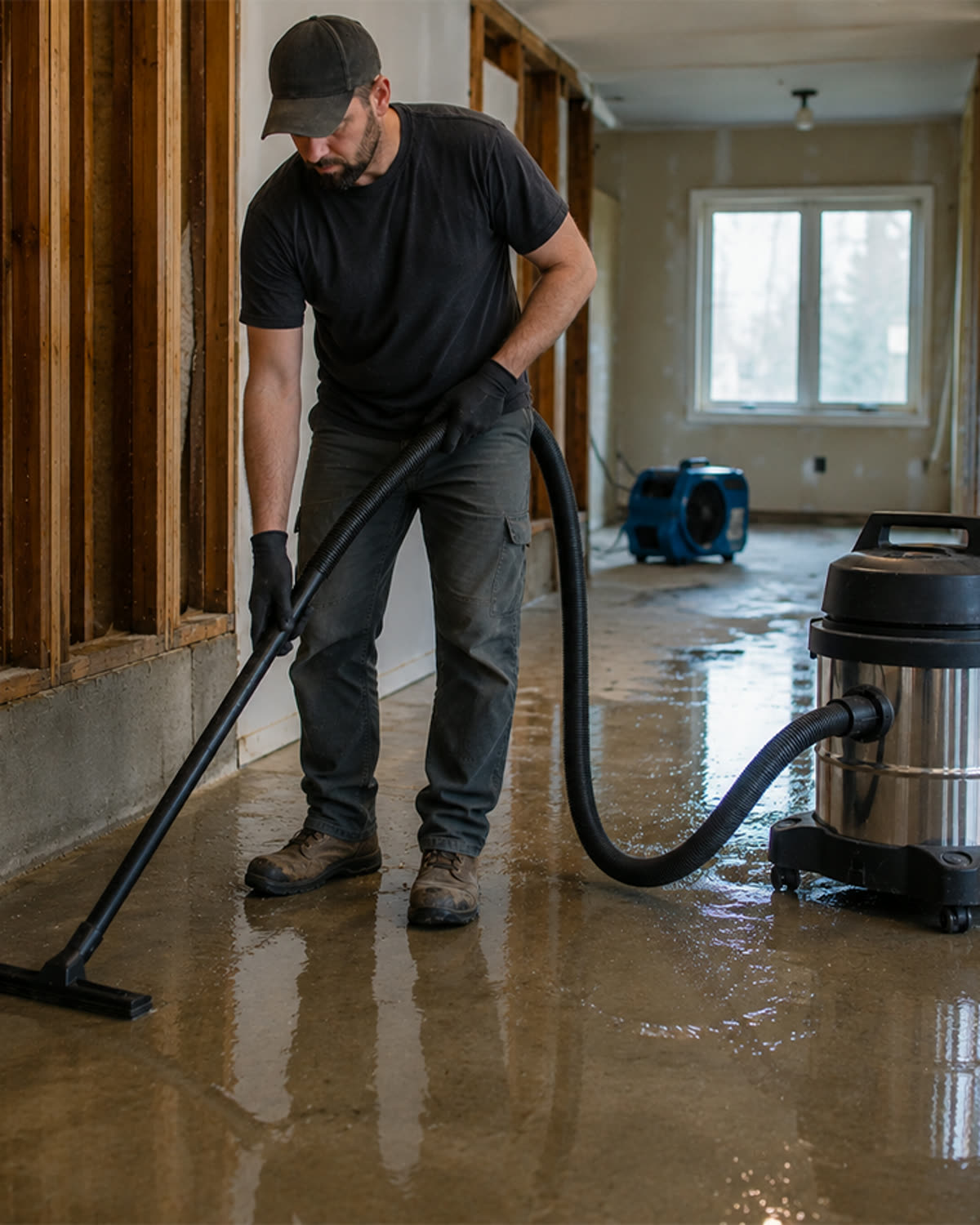
Commercial cleaning equipment operates differently from a vacuum used occasionally at home.
A commercial machine may run:
- Every day
- Across multiple shifts
- In large buildings
- Around employees and customers
- On several flooring types
- Under strict time limits
The purchase price matters.
But operating cost matters more.
A vacuum that requires constant bag changes, filter cleaning, repairs, or repeat passes can become expensive even when the machine itself is inexpensive.
Quick Answer
A commercial vacuum system should prioritize:
- Strong maintained airflow
- Appropriate filtration
- Durable components
- Low noise where necessary
- Practical capacity
- Easy maintenance
- Fast controlled emptying
- Low consumable cost
- Available replacement parts
- Ergonomic operation
- Compatibility with the facility
The best system is the one that provides reliable cleaning performance at the lowest total cost per square foot or completed shift.
The Commercial Performance Equation™
Cleaning Speed

+

Maintained Suction

+

Equipment Reliability

+

Operator Efficiency

−

Downtime

−

Consumable Cost

=

Commercial Value
A machine should be evaluated as part of the labor system.
Feature 1: Maintained Airflow
Commercial vacuums collect:
- Fine dust
- Carpet fibers
- Paper
- Food debris
- Dirt
- Hair
- Construction residue
Filters and bags gradually restrict airflow.
Choose a system that:
- Protects the primary filter
- Uses sufficient bag area
- Allows fast inspection
- Recovers performance after emptying
- Does not require constant maintenance
Feature 2: Filtration
Filtration needs vary by facility.
Consider:
- Offices
- Schools
- Healthcare environments
- Hotels
- Retail
- Warehouses
- Industrial spaces
- Animal-care facilities
Evaluate:
- Filter efficiency
- System seals
- Bag quality
- Exhaust direction
- Replacement schedule
- Application requirements
The complete vacuum matters—not the filter label alone.
Feature 3: Noise
Cleaning may occur around:
- Office workers
- Hotel guests
- Students
- Customers
- Patients
- Meetings
Lower noise can expand the hours when cleaning is possible.
A quieter machine may increase scheduling flexibility and reduce disruption.
Feature 4: Ergonomics
Operator fatigue affects cleaning quality and productivity.
Consider:
- Machine weight
- Handle design
- Hose flexibility
- Cord length
- Backpack fit
- Wheel resistance
- Attachment weight
- Emptying method
A high-performance vacuum that is uncomfortable to use may reduce actual productivity.
Feature 5: Capacity
Capacity should match the cleaning route.
Too little capacity causes repeated interruptions.
Too much capacity creates:
- Added weight
- Harder transport
- Overfilling
- Difficult disposal
The ideal capacity allows the operator to complete a practical route before emptying.
Feature 6: Consumable Cost
Commercial operations may use hundreds of bags per year.
Calculate:
Bag Cost

×

Bags Per Week

×

Machines

×

Working Weeks

=

Annual Bag Expense
Add:
- Filters
- Labor
- Shipping
- Inventory
- Disposal
- Emergency purchases
Reusable systems may create substantial savings when appropriate.
Feature 7: Durability and Serviceability
Commercial machines should support replacement of:
- Cord
- Switch
- Hose
- Wheels
- Filters
- Bag components
- Brush rolls
- Latches
- Motor parts
Repairable equipment can reduce long-term replacement cost.
Feature 8: Fast Emptying
The emptying process should be:
- Predictable
- Clean
- Quick
- Easy to train
- Appropriate for the debris
- Compatible with disposal procedures
Messy emptying adds cleanup labor and may contaminate the facility.
Upright vs. Backpack vs. Wet/Dry Vacuum
Upright Vacuum
Best for:
- Large carpeted areas
- Hallways
- Offices
- Routine floor cleaning
Backpack Vacuum
Best for:
- Stairs
- Classrooms
- Theaters
- Tight spaces
- High-mobility routes
Wet/Dry Vacuum
Best for:
- Spills
- Maintenance work
- Workshops
- Construction residue
- Large debris
- Facility emergencies
A commercial operation may require more than one category.
The Route-Matched System™
Choose equipment based on the cleaning route.
Large Carpet Areas

↓

Upright

Stairs and Tight Areas

↓

Backpack

Spills and Heavy Debris

↓

Wet/Dry Vacuum
One universal machine may create unnecessary compromise.
Reusable Bags in Commercial Cleaning
Reusable bags may provide:
- Lower recurring costs
- Reduced waste
- Consistent availability
- Filter protection
- Fewer inventory problems
They require:
- Controlled emptying
- Inspection
- Cleaning when appropriate
- Staff training
- Replacement when worn
High-volume facilities should calculate cost per use.
Commercial Cost Example
Assume:
- 10 machines
- 2 disposable bags per week per machine
- $8 per bag
- 52 weeks
10 × 2 × $8 × 52

=

$8,320 per year
That does not include filters, shipping, storage, or labor.
Consumable reduction can materially affect facility operating cost.
Commercial Vacuum Buying Checklist
- Facility type identified
- Flooring types documented
- Cleaning routes measured
- Noise limits considered
- Filtration needs defined
- Capacity matched to route
- Operator ergonomics reviewed
- Replacement parts available
- Annual bag cost calculated
- Annual filter cost calculated
- Reusable options evaluated
- Emptying method reviewed
- Staff training requirements identified
- Service support available
- Total cost per year estimated
Common Mistakes
Choosing by Purchase Price
Labor and consumables often exceed the cost of the machine.
Using One Vacuum Type Everywhere
Different spaces require different equipment.
Ignoring Noise
Loud machines restrict cleaning schedules.
Overfilling Bags
Airflow and cleaning performance decline.
Ignoring Operator Fatigue
Poor ergonomics reduce speed and consistency.
Failing to Stock Parts
A small component failure can sideline the vacuum.
Measuring Capacity Instead of Productivity
A larger bag does not guarantee faster cleaning.
Frequently Asked Questions
What vacuum is best for commercial cleaning?
The correct machine depends on facility layout, flooring, debris, noise requirements, and cleaning route.
Are backpack vacuums efficient?
They can be highly efficient in stairs, classrooms, theaters, and spaces with many obstacles.
Are reusable bags worth it commercially?
They may create substantial savings when bag use is frequent and controlled emptying is practical.
How often should commercial filters be changed?
Inspect them based on use and replace them when damaged, permanently restricted, or unable to maintain performance.
Does a larger vacuum improve productivity?
Only when added capacity reduces interruptions without increasing operator fatigue.
What is the most important cost to calculate?
Total annual ownership cost, including labor, bags, filters, maintenance, repairs, and downtime.
Key Takeaways
Commercial vacuum selection should focus on:
- Cleaning productivity
- Maintained airflow
- Filtration
- Reliability
- Ergonomics
- Noise
- Consumable cost
- Serviceability
The best machine is not necessarily the cheapest to buy.
It is the one that completes the cleaning route reliably with the least labor, downtime, and recurring expense.
Commercial vacuum value is measured across thousands of cleaning cycles—not on the day of purchase.
Related guides
- shop vacuum buying guide
- shop vacuum guide for contractors
- learn more about best shop vacuum for dog groomers
- learn more about best shop vacuum for remodeling contractors
- related: what size shop vacuum for commercial cleaning users
- shop vac versus HEPA extractor for renovations
- understanding CFM and water lift specs