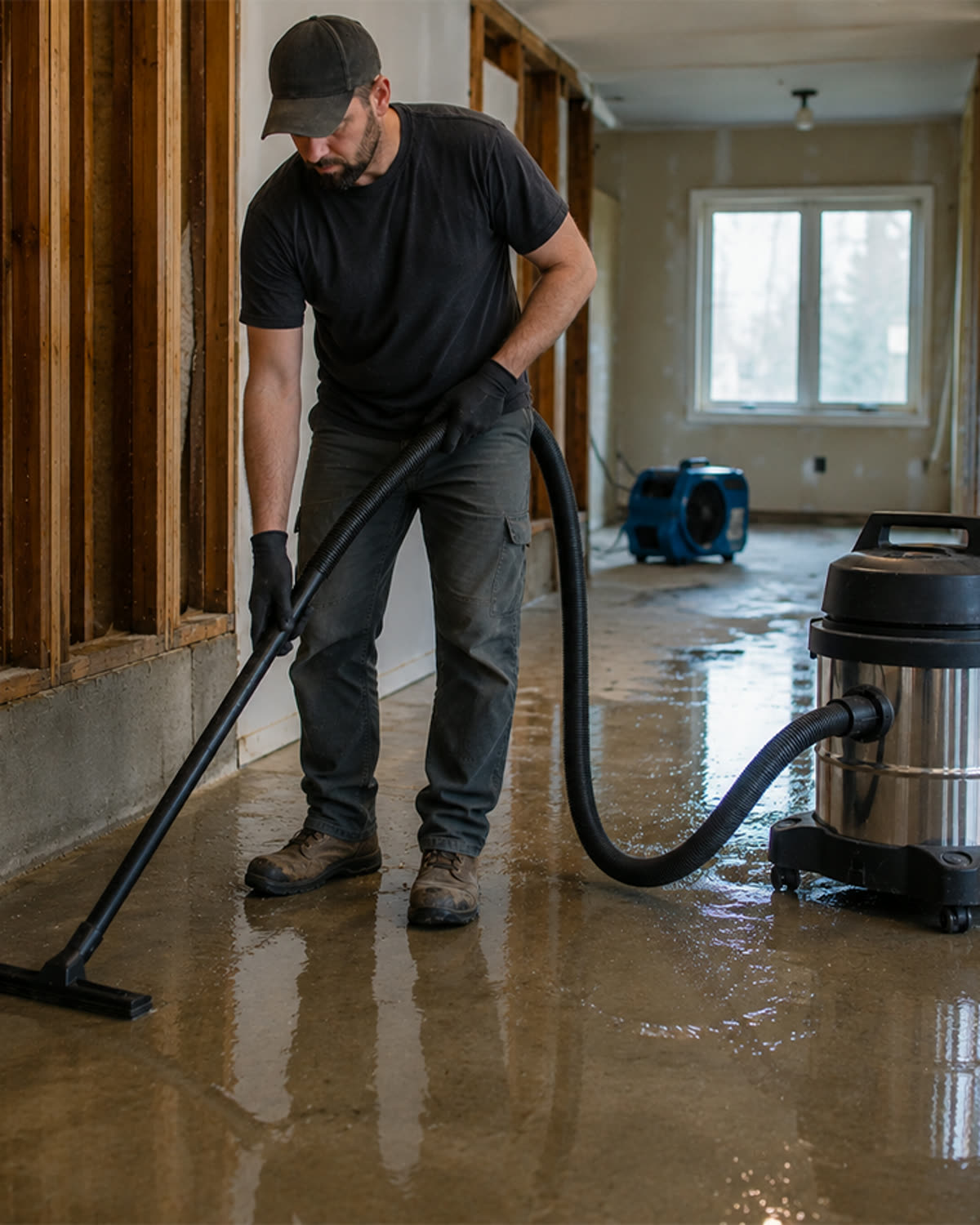
A shop vacuum appears simple:
- Connect the hose
- Turn it on
- Collect debris
But the machine combines:
- Electricity
- Moving air
- Dust
- Water
- Heavy loads
- Sharp debris
- Motor heat
Incorrect use may create:
- Electrical shock
- Fire
- Motor failure
- Dust exposure
- Hearing damage
- Lifting injury
- Slip hazards
- Equipment contamination
Safe operation begins with matching the vacuum to the material.
Quick Answer
Before using a shop vacuum:
- Identify the material.
- Confirm the vacuum is suitable.
- Inspect the cord and plug.
- Install the correct bag and filter.
- Configure wet or dry mode correctly.
- Check the hose and attachments.
- Confirm the float operates.
- Plan disposal.
- Keep electrical components dry.
- Stop immediately for smoke, sparks, burning odor, liquid at exhaust, or repeated breaker trips.
Never collect:
- Flammable liquids
- Hot ash
- Explosive dust
- Unknown chemicals
- Hazardous materials
unless the complete equipment system is specifically designed and approved for the application.
The Four-Risk Framework™
Electrical Risk

+

Material Risk

+

Mechanical Risk

+

Handling Risk
A safe job addresses all four.
Electrical Risk
Inspect:
- Power cord
- Plug
- Receptacle
- Extension cord
- Switch
- Ground-fault protection where required
- Tool outlet load
- Wet environment
Do not use damaged electrical components.
Extension Cord Safety
An extension cord should be:
- Correctly rated
- Large enough for the load
- Appropriate for the length
- Suitable for the environment
- Free from damage
- Fully connected
Long undersized cords may cause:
- Voltage drop
- Hot plugs
- Weak startup
- Breaker trips
- Motor stress
Wet-Pickup Electrical Safety
Keep:
- Vacuum motor housing
- Plug
- Connections
- Extension junctions
away from standing water.
Do not position the vacuum where it may:
- Fall into water
- Be splashed
- Tip
- Roll into a pool or flooded area
The hose should reach the liquid while the electrical equipment remains stable and dry.
The Electrical Separation Principle™
Wet Collection Point

Separated From

Electrical Motor and Connections
Fine-Dust Risk
Fine dust may:
- Become airborne
- Bypass weak filters
- Coat motor components
- Spread during disposal
- Create health or regulatory concerns
Use a system appropriate for the specific dust.
A general-purpose vacuum is not automatically suitable for every fine-particle application.
Hazardous and Unknown Material
Do not collect unknown material until it is identified.
Potential risks include:
- Toxic dust
- Asbestos-containing material
- Lead dust
- Silica-containing dust
- Mold contamination
- Biological waste
- Chemical residue
- Combustible dust
Specialized equipment and procedures may be required.
Combustible Dust Risk
Some fine materials can create ignition or explosion hazards.
Examples may include certain:
- Wood dust
- Metal dust
- Plastic powder
- Chemical powder
- Agricultural dust
An ordinary shop vacuum may produce:
- Static
- Electrical sparks
- Motor sparks
- Heat
Do not use ordinary equipment where combustible-dust risk exists.
Hot Material Risk
Do not vacuum:
- Hot ash
- Embers
- Hot metal
- Smoldering debris
- Recently burned material
A particle may appear cool outside while remaining hot internally.
Hot material can ignite:
- Bag
- Filter
- Dust
- Plastic tank
- Nearby waste
Flammable Liquid Risk
Do not collect:
- Gasoline
- Solvent
- Fuel
- Alcohol
- Flammable cleaner
- Volatile chemical
unless the equipment is specifically designed for that hazardous application.
Ordinary vacuum motors may create ignition sources.
Sharp Debris Risk
Screws, nails, tile, and metal may:
- Puncture bags
- Cut hoses
- Injure the operator
- Damage the tank
- Tear disposal liners
Separate sharp debris and use puncture-resistant containers.
Heavy Tank Risk
Liquid and dense debris become heavy quickly.
5 Gallons of Water

≈

42 Pounds

Plus

Vacuum Weight
Use the drain when available.
Avoid lifting beyond safe capability.
Tip-Over Risk
A vacuum may tip because of:
- Long hose pull
- Small wheelbase
- Full liquid tank
- Uneven surface
- Stairs
- Thresholds
- Tight turns
A tipped wet vacuum may send liquid toward the motor.
Hose Risk
Hoses can create:
- Trip hazards
- Clogs
- Sudden movement
- Tool pull
- Vacuum tip-over
- Static shocks
- Surface damage
Route hoses away from:
- Walkways
- Doors
- Ladders
- Sharp edges
- Hot surfaces
Noise Risk
Shop vacuums may expose operators to prolonged noise.
Consider:
- Duration
- Enclosed spaces
- Multiple machines
- High-pitched restriction noise
- Tool noise combined with vacuum noise
Use appropriate hearing protection based on the work environment.
Motor Heat
Stop if the vacuum develops:
- Burning odor
- Smoke
- Excessive heat
- Repeated shutdown
- Grinding
- Electrical odor
Do not continue operating after thermal protection activates without identifying the cause.
Filter and Bag Safety
Before dry pickup:
- Correct filter installed
- Bag appropriate for material
- Collar sealed
- Filter gasket intact
- Tank dry
- Exhaust path clear
Before wet pickup:
- Dry bag removed when required
- Wet filter configuration correct
- Float moving freely
- Drain closed
- Electrical area dry
Disposal Safety
Collected material may create risk during:
- Bag removal
- Tank dumping
- Transportation
- Final disposal
Use:
- Controlled transfer
- Low drop height
- Sealed containers
- Secondary containment
- Appropriate protective equipment
Do not create a second dust cloud.
Shop Vacuum Stop-Work Conditions™
Stop immediately for:
- Smoke
- Sparks
- Burning plastic
- Electrical odor
- Damaged cord
- Hot plug
- Repeated breaker trips
- Liquid at exhaust
- Severe vibration
- Grinding motor
- Unknown hazardous material
- Collapsing tank or hose
- Loss of required filtration
Pre-Use Safety Checklist
- Material identified
- Vacuum suitable
- Cord intact
- Plug intact
- Extension cord correct
- Tank sound
- Hose clear
- Bag installed
- Filter installed
- Float functional
- Drain sealed
- Exhaust clear
- Disposal planned
- Work area stable
- Protective equipment available
During-Use Safety Checklist
- Vacuum remains upright
- Hose does not cross unsafe pathways
- Motor sound remains stable
- Exhaust remains clean
- Housing temperature monitored
- Bag and tank capacity monitored
- Foam monitored during wet pickup
- Dust remains contained
- Cord connections remain dry
- No burning odor
Post-Use Safety Checklist
- Vacuum unplugged
- Material disposed of correctly
- Tank emptied
- Hose cleared
- Filter inspected
- Float cleaned
- Wet components dried
- Cord inspected
- Damage recorded
- Vacuum stored securely
Common Mistakes
Using the Vacuum Before Identifying the Material
The dust may require specialized equipment.
Bypassing a Breaker or GFCI
Protective devices should never be defeated.
Vacuuming Hot Ash
Hidden embers may ignite the collection system.
Lifting a Full Wet Tank
Drain it whenever possible.
Using a Damaged Extension Cord
Heat and shock risks increase.
Ignoring a Burning Smell
It may signal motor or electrical failure.
Running Without a Filter
Fine dust may enter the motor and exhaust.
Frequently Asked Questions
Can a shop vacuum collect any type of dust?
No. Some dust requires specialized equipment, filtration, grounding, containment, or disposal.
Can I vacuum gasoline?
No. Ordinary shop vacuums are not designed for flammable liquids.
Can I vacuum fireplace ash?
Only with equipment specifically designed for ash and only when the material is completely cold according to product instructions.
Is water pickup safe?
It can be when the machine is rated for wet use, configured correctly, and electrical components remain dry.
Why does the plug feel hot?
A loose connection, overloaded circuit, damaged cord, or undersized extension may be involved. Stop using it.
Should I wear hearing protection?
It may be appropriate depending on sound level, duration, and combined tool noise.
Key Takeaways
Safe shop vacuum use requires:
- Correct equipment
- Correct material identification
- Electrical inspection
- Proper filtration
- Wet/dry configuration
- Capacity monitoring
- Controlled disposal
The vacuum should be treated as an electrical dust-handling system—not simply a container with a motor.
Related guides
- the guide to shop vacuum troubleshooting guide
- stopping static shocks off the hose
- learn more about contractor shop vacuum pre-use inspection checklist
- learn more about shop vacuum dust disposal guide
- the risks of filterless operation
- routine vacuum care checklist
- related: clean shop vacuum filter for shop vacuum safety users