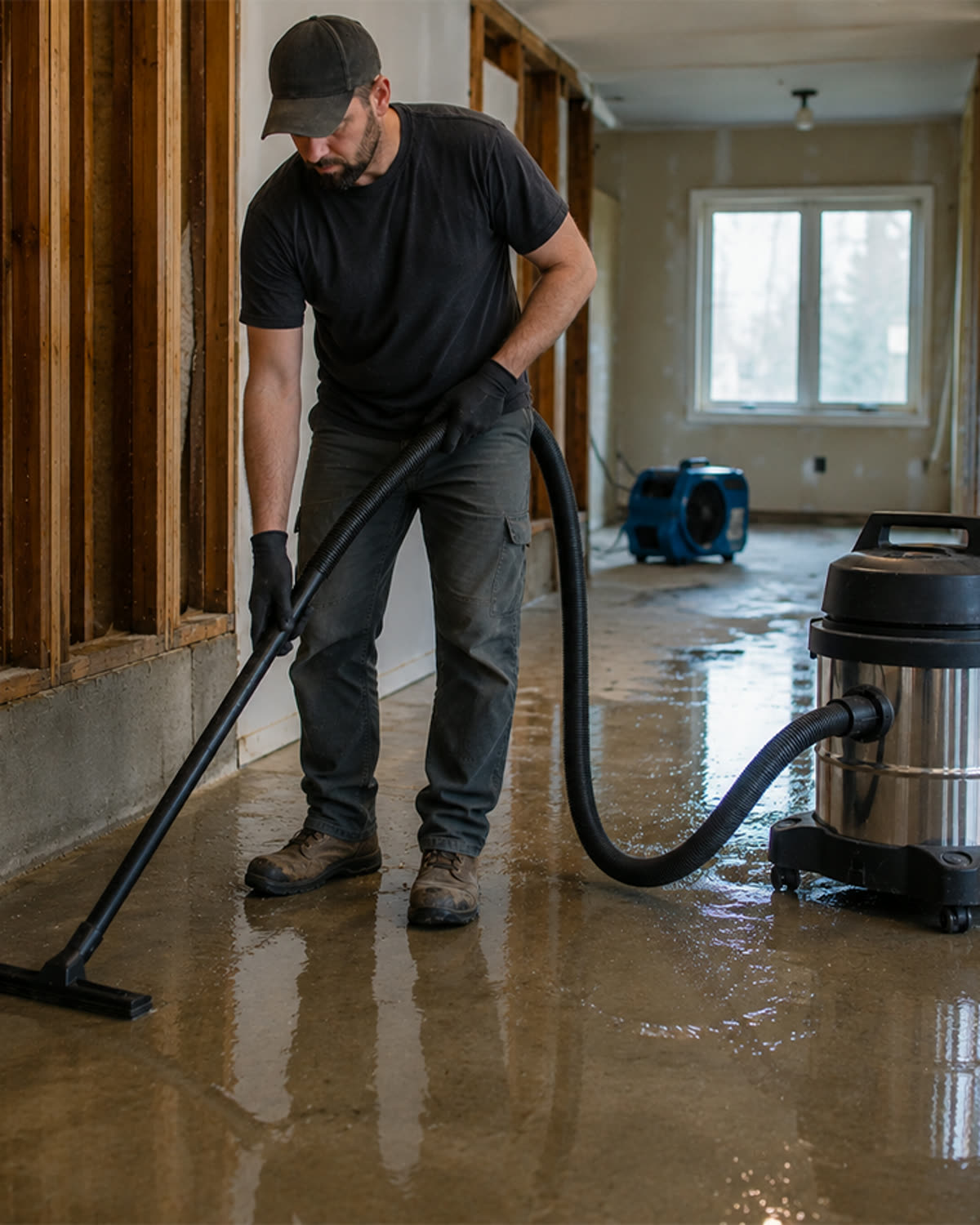
A shop vacuum may continue running after its filter is removed.
That does not mean filterless operation is safe.
During dry pickup, the filter protects:
- The motor
- Internal cooling passages
- Exhaust air
- The surrounding workspace
Without it, fine dust can travel directly through the vacuum.
The result may include:
- Dust blowing from the exhaust
- Internal motor contamination
- Reduced motor life
- Bearing wear
- Electrical damage
- Dust spreading through the room
- Permanent suction loss
Wet pickup may use a different filter arrangement, but that configuration must follow the instructions for the specific vacuum.
Quick Answer
Do not use a shop vacuum without its required filter during dry pickup.
Running filterless may allow dust to:
- Enter the motor area
- Coat internal components
- Restrict cooling
- Exit through the exhaust
- Increase motor wear
- Contaminate the workspace
For wet pickup, some vacuums require:
- Removal of the dry cartridge
- Installation of a foam sleeve
- Use of a wet-rated filter
- Retention of a specific cartridge
There is no universal wet-use rule.
The Final-Defense Principle™
A collection bag captures much of the debris.
The primary filter captures what remains.
Collection Bag

↓

Primary Filter

↓

Motor

↓

Exhaust
Removing the filter eliminates the final defense.
What Happens to Large Debris?
Large debris may remain inside:
- Collection bag
- Tank
- Separator
Examples include:
- Wood chips
- Paper
- Screws
- Leaves
- Drywall fragments
This can make filterless operation appear successful.
But the smallest particles behave differently.
What Happens to Fine Dust?
Fine dust remains suspended in the airflow.
Examples include:
- Drywall dust
- Concrete dust
- Sanding dust
- Fine sawdust
- Cement powder
- Ash
Without a filter, those particles may travel into the motor and exhaust.
Fine Dust Enters Hose

↓

No Final Filter

↓

Dust Reaches Motor Area

↓

Dust Exits Exhaust or Coats Components
Why a Collection Bag Is Not Always Enough
A collection bag is usually a pre-filter.
It may allow some particles to pass through its material.
Dust may also bypass because of:
- Loose collar
- Seam leakage
- Small puncture
- Material penetration
- Incorrect installation
The primary filter captures much of that remaining dust.
The Two-Layer Protection Rule™
Bag Captures Bulk Dust

+

Filter Captures Remaining Fine Dust

=

Protected Motor and Cleaner Exhaust
Removing either layer increases the burden on the other.
Motor Contamination
Dust entering the motor area may coat:
- Bearings
- Brushes
- Windings
- Fan surfaces
- Cooling passages
- Electrical contacts
Potential effects include:
- Increased friction
- Excessive heat
- Sparking
- Reduced efficiency
- Shorter service life
- Burning odor
- Motor failure
Cooling-Air Restriction
Dust may accumulate inside cooling pathways.
Internal Dust Accumulates

↓

Cooling Passage Narrows

↓

Motor Temperature Rises

↓

Wear Accelerates
The damage may continue after the filter is reinstalled.
Dust From the Exhaust
Filterless dry pickup may send fine particles back into the room.
This can:
- Recoat cleaned surfaces
- Contaminate occupied areas
- Spread dust beyond the work zone
- Reduce visibility
- Increase cleanup labor
A vacuum without final filtration may function more like a dust-moving fan than a dust-control system.
When Might a Filter Be Removed?
Some wet/dry vacuums use a different configuration for liquid pickup.
Possible arrangements include:
- No dry cartridge
- Foam sleeve
- Wet-rated cartridge
- Manufacturer-specific wet filter
The filter should only be removed when the equipment instructions explicitly call for it.
Wet Pickup Is Different
During wet pickup:
- Liquid falls into the tank
- The float monitors liquid level
- The motor air path remains above the liquid
- A wet-use filter may stop droplets or debris
A dry fine-dust filter may become damaged if used incorrectly with water.
But removing every filter without checking instructions may also create risk.
What If the Filter Was Accidentally Left Out?
If dry debris was collected without a filter:
- Turn off and unplug the vacuum.
- Move it to an appropriate inspection area.
- Allow dust to settle.
- Empty the tank or collection bag carefully.
- Inspect the motor-side area without disassembling unauthorized components.
- Clean only using approved methods.
- Install the correct filter.
- Test for dust at the exhaust.
- Listen for abnormal motor sound.
- Seek service if dust entered internal components or performance changed.
Do not use compressed air to drive dust deeper into the motor.
Signs Dust Reached the Motor
- Dust exits the exhaust
- Burning-dust odor
- Grinding or rough sound
- Increased motor heat
- Reduced suction after filter replacement
- Visible dust around internal vents
- Sparking
- Repeated electrical trips
Stop using the vacuum if electrical symptoms appear.
Can You Run Bagless With a Filter?
Yes, some vacuums can collect dry debris directly into the tank while retaining the primary filter.
This may work for:
- Larger debris
- Short cleanup
- Materials that do not rapidly clog the filter
It is generally inefficient for high volumes of fine dust.
Can You Run With a Bag but No Filter?
Not unless the vacuum manufacturer specifically allows that configuration.
A bag may:
- Tear
- Detach
- Pass fine particles
- Leak at the collar
The primary filter remains essential protection in most dry applications.
Filterless Operation Risk Table
| Material | Risk Without Filter |
|---|---|
| Large wood chips | Moderate |
| General dirt | High |
| Drywall dust | Very High |
| Concrete dust | Very High |
| Fine sawdust | Very High |
| Pet hair | Moderate to High |
| Water | Configuration dependent |
| Mud | Configuration dependent |
| Ash | Extremely High |
The Filter Presence Check™
Before every dry job:
- Correct filter installed
- Filter gasket sealed
- Filter undamaged
- Bag installed when appropriate
- Tank dry
- Float unobstructed
- Exhaust path intact
Common Mistakes
Assuming the Bag Replaces the Filter
Most bags are pre-filtration stages.
Removing the Filter to Increase Suction
Any short-term airflow gain may expose the motor to dust.
Using the Same Setup for Wet and Dry Pickup
The configuration may need to change.
Forgetting to Reinstall the Filter After Water Cleanup
The next dry job may contaminate the motor.
Cleaning Internal Dust With Compressed Air
Dust may be driven deeper into components.
Frequently Asked Questions
Will a shop vacuum work without a filter?
It may run, but dry dust may damage the motor and exit through the exhaust.
Can I vacuum sawdust without a filter?
Do not remove the required filter. Fine sawdust can travel through the motor area.
Is a collection bag enough?
Usually not. The primary filter captures remaining particles and protects against bag failure.
Should the filter be removed for water?
Only when the vacuum’s instructions specify that wet configuration.
Why did dust blow from the exhaust?
The filter may be missing, damaged, incorrectly installed, or bypassed.
Can motor dust be cleaned out?
Some contamination may require qualified service. Avoid unauthorized motor disassembly.
Key Takeaways
A shop vacuum filter is not optional during ordinary dry pickup.
It protects:
- Motor components
- Cooling airflow
- Exhaust quality
- Vacuum lifespan
A collection bag handles the bulk material. The filter provides the final defense against the dust that continues through the airflow.
Related guides
- the guide to shop vacuum maintenance checklist
- automatic filter cleaning vs. manual filter cleaning
- shop vacuum filter ratings and micron claims explained
- what the bag does that the filter can't
- the filter bill you pay for skipping the bag
- layered filtration for fine dust
- fixing exhaust dust problems
- related: why fine dust destroys vacuums for shop vacuum without filter users