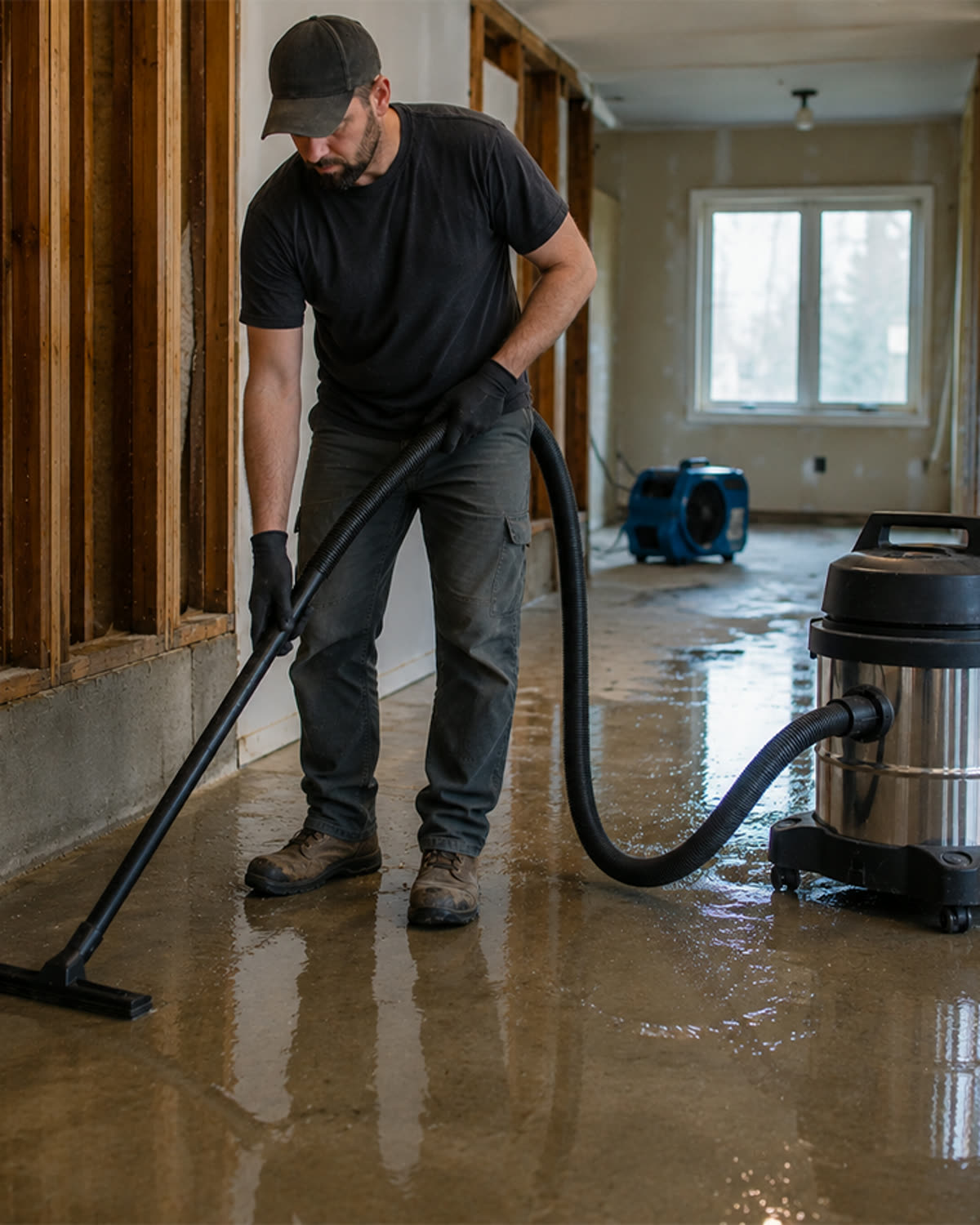
Fine dust gradually blocks a vacuum filter.
As resistance increases:
- Airflow declines
- Tool capture weakens
- Motor cooling decreases
- Cleanup takes longer
Filter-cleaning systems attempt to remove accumulated dust from the filter surface.
They may operate:
- Automatically
- Semi-automatically
- Manually
The best method depends on dust volume, runtime, filter design, and maintenance expectations.
Quick Answer
Choose automatic filter cleaning for:
- Continuous grinding
- Sanding
- Cutting
- High-volume fine dust
- Long tool-connected work
- Applications where stable airflow is critical
Choose manual or semi-automatic cleaning for:
- General cleanup
- Intermittent use
- Lower dust volume
- Smaller budgets
- Operators who can stop periodically
Automatic cleaning reduces interruptions but does not eliminate the need for bags, pre-collection, inspection, or filter replacement.
The Filter-Loading Cycle™
Dust Reaches Filter

↓

Filter Resistance Increases

↓

Airflow Falls

↓

Filter Is Cleaned

↓

Some Airflow Returns
The effectiveness of cleaning depends on how strongly the dust is attached.
Automatic Filter Cleaning
Automatic systems clean the filter while the vacuum operates or at repeated intervals.
Common methods include:
- Reverse airflow pulse
- Pressure pulse
- Mechanical vibration
- Alternating filters
- Automated shaking
Automatic Cleaning Advantages
- Fewer work interruptions
- More stable airflow
- Better continuous tool capture
- Reduced manual filter handling
- Longer periods between maintenance stops
- Improved performance with heavy fine-dust production
Automatic Cleaning Limitations
- Higher equipment cost
- Added noise
- Added mechanical complexity
- Dust may remain embedded
- Cleaning pulses may briefly affect suction
- Bags and filters still require inspection
- Not every dust releases effectively
Semi-Automatic Filter Cleaning
Semi-automatic systems require the operator to activate a cleaning function.
This may involve:
- Pressing a button
- Blocking the hose
- Activating a lever
- Running a cleaning cycle
It offers a balance between cost and convenience.
Semi-Automatic Advantages
- Lower cost than fully automatic systems
- Better cleaning than removing the filter manually
- Reduced direct dust handling
- Useful for intermittent professional work
Semi-Automatic Limitations
- Operator must remember to activate it
- Work must usually pause
- Effectiveness depends on correct procedure
- Filter may become heavily loaded between cycles
Manual Filter Cleaning
Manual cleaning may include:
- Removing loose debris
- Gentle approved tapping
- Approved brushing
- Washing washable filters
- Replacing the filter
Manual cleaning requires stopping and opening the vacuum.
Manual Cleaning Advantages
- Simple equipment
- Lower purchase cost
- Direct filter inspection
- Suitable for occasional use
- Few mechanical cleaning components
Manual Cleaning Limitations
- Greater downtime
- More dust exposure
- Risk of filter damage
- Inconsistent operator technique
- Poor fit for continuous fine-dust production
The Cleaning Recovery Principle™
Filter Cleaning

Does Not Mean

Filter Becomes New Again
Each cycle may restore only part of the original airflow.
Fine particles may remain embedded within the filter media.
Surface Dust vs. Embedded Dust
Surface Dust
More likely to release through:
- Pulsing
- Vibration
- Gentle cleaning
Embedded Dust
More likely to remain inside:
- Filter pleats
- Fiber depth
- Damp residue
- hardened paste
Automatic cleaning is most effective before dust becomes deeply embedded.
Why Pre-Collection Still Matters
A cleaning mechanism should not receive the full dust burden unnecessarily.
Collection Bag or Separator

↓

Removes Bulk Dust

↓

Less Dust Reaches Filter

↓

Cleaning System Works More Effectively
Filter cleaning and pre-collection are complementary.
Automatic Cleaning and Fine-Dust Bags
Some users assume automatic cleaning eliminates the need for bags.
That may increase:
- Filter workload
- Tank contamination
- Disposal dust
- Cleaning frequency
Use the collection setup recommended for the application.
Filter Cleaning and Suction Pulses
Automatic systems may produce:
- Thumping
- Brief suction reduction
- Repeated pulses
- Alternating motor sounds
Regular timed pulses may be normal.
Random pulsing may signal a clog, float problem, or electrical fault.
Comparison Table
| Factor | Automatic | Semi-Automatic | Manual |
|---|---|---|---|
| Maintained airflow | Excellent | Good | Operator dependent |
| Work interruptions | Low | Moderate | High |
| Purchase cost | High | Moderate | Low |
| Complexity | High | Moderate | Low |
| Operator involvement | Low | Moderate | High |
| Fine-dust suitability | Strong | Moderate to Strong | Limited for continuous work |
| Filter inspection | Still required | Still required | Direct |
| Dust handling | Lower | Moderate | Higher |
Best Method by Workload
| Workload | Preferred Method |
|---|---|
| Concrete grinding | Automatic |
| Drywall sanding | Automatic or semi-automatic |
| General floor cleanup | Manual or semi-automatic |
| Garage use | Manual |
| Commercial construction | Automatic |
| Occasional remodeling | Semi-automatic |
| High-volume tool extraction | Automatic |
| Vehicle detailing | Manual |
When Automatic Cleaning Is Worth the Cost
It becomes more valuable when:
- Work is continuous
- Filter loading is rapid
- Lost airflow affects tool capture
- Labor costs are high
- Manual stops occur frequently
- Dust is generated faster than manual maintenance can manage
The Downtime Payback Formula™
Minutes Saved Per Day

×

Labor Cost Per Minute

×

Working Days

=

Annual Cleaning-System Value
Compare this value with the higher equipment cost.
When Manual Cleaning Is Sufficient
Manual cleaning may be adequate when:
- Dust volume is low
- Vacuum use is brief
- Collection bags protect the filter
- Work is not tool-connected
- Interruptions are inexpensive
- Filters remain accessible
Filter Cleaning Checklist
- Cleaning method understood
- Correct filter installed
- Bag or separator operating
- Cleaning interval defined
- Filter inspected regularly
- Gasket intact
- Dust disposal controlled
- Washability confirmed
- Filter dried completely
- Airflow tested after cleaning
- Replacement criteria established
Common Mistakes
Assuming Automatic Cleaning Prevents All Clogging
Embedded dust and moisture may still cause restriction.
Disabling Cleaning Because It Is Loud
Stable airflow may depend on it.
Running Bagless Because Cleaning Is Automatic
The filter may receive unnecessary dust.
Beating Filters Aggressively
Pleats and media can be damaged.
Washing Non-Washable Filters
Water may weaken the filter.
Reusing a Permanently Restricted Filter
Cleaning cannot restore every filter indefinitely.
Frequently Asked Questions
Does automatic filter cleaning work?
It can significantly improve maintained airflow when matched to the dust and filter design.
Does it replace collection bags?
No. Pre-collection may still reduce filter burden and improve disposal.
Why does suction briefly drop during cleaning?
Some systems alter airflow temporarily to release dust.
Is semi-automatic cleaning enough for drywall sanding?
It may be, depending on dust volume, tool runtime, and equipment capacity.
How often should manual cleaning occur?
When airflow, pressure monitoring, inspection, or manufacturer guidance indicates it is needed.
Can automatic cleaning damage filters?
Use only compatible filters. Incorrect filter media may not tolerate the cleaning system.
Key Takeaways
Automatic cleaning prioritizes stable performance during continuous fine-dust work.
Manual cleaning prioritizes simplicity and lower equipment cost.
The best cleaning system is the one that restores airflow before filter restriction begins reducing tool capture, productivity, and motor cooling.
Related guides
- the guide to shop vacuum maintenance checklist
- multi-stage shop vacuum filtration: how bags, filters, and cyclones work together
- shop vacuum filter ratings and micron claims explained
- related: vacuum filter clogging fast for automatic vs manual filter cleaning users
- related: why fine dust destroys vacuums for automatic vs manual filter cleaning users
- related: shop vacuum keeps clogging for automatic vs manual filter cleaning users