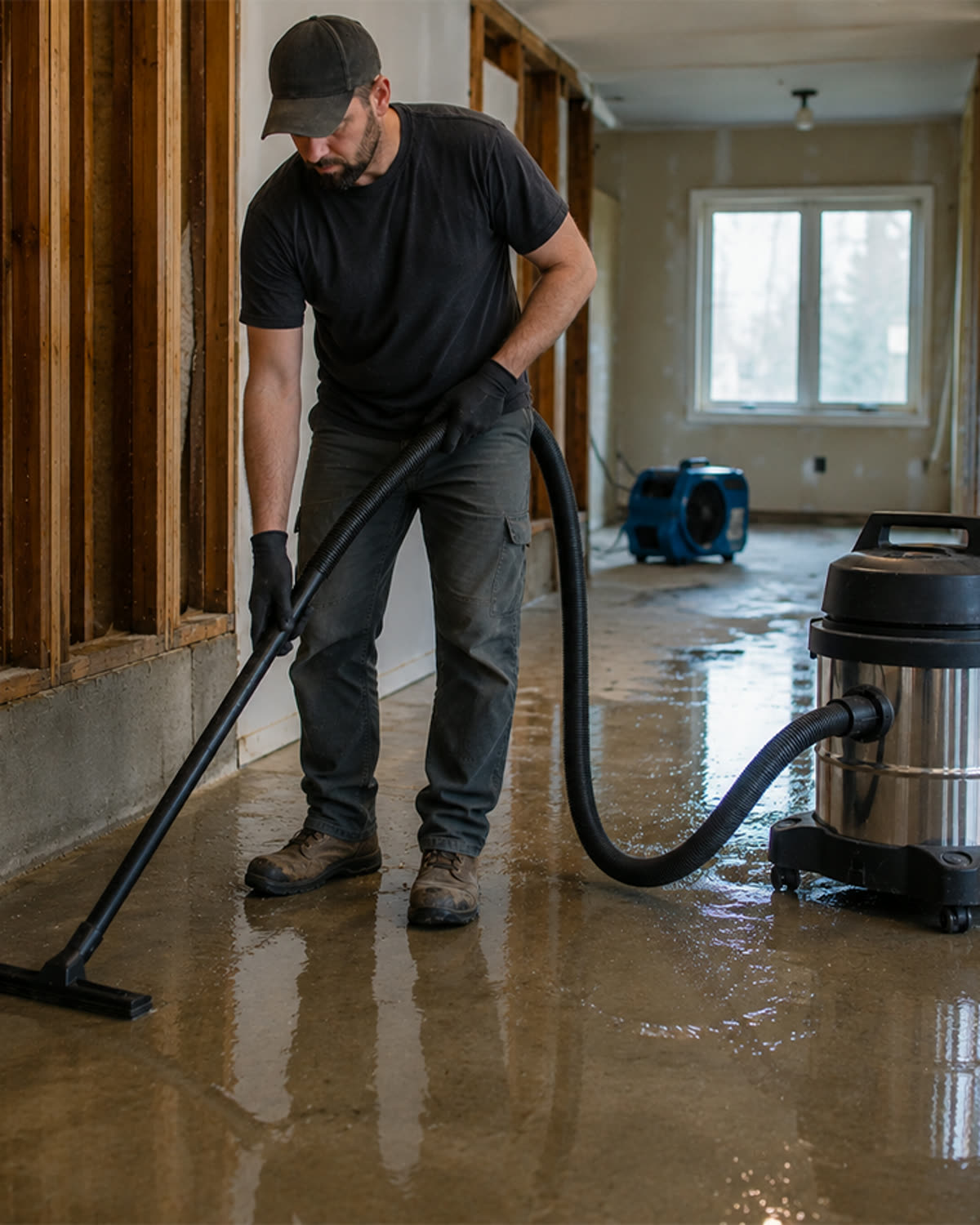
Dust collection is not complete when the vacuum is turned off.
The material still must be:
- Removed
- Transferred
- Contained
- Transported
- Disposed of
A poorly handled bag or tank can release more airborne dust during disposal than the vacuum released during collection.
Common disposal failures include:
- Pulling a full bag out too quickly
- Dropping dust from height
- Shaking reusable bags
- Dumping open tanks in wind
- Overfilling cyclone bins
- Mixing water with dry fine dust
- Carrying torn bags through occupied spaces
The disposal system should be planned before the vacuum begins collecting material.
Quick Answer
To dispose of shop vacuum dust with less release:
- Identify the collected material.
- Confirm the correct disposal requirements.
- Turn off and unplug the vacuum.
- Allow dust to settle.
- Move to an appropriate disposal area.
- Wear suitable protective equipment.
- Remove bags slowly.
- Keep transfer openings close to the receiving container.
- Avoid shaking, compressed air, and high drops.
- Seal the waste promptly.
- Inspect the vacuum for dust bypass.
- Clean the equipment using appropriate methods.
Some materials require specialized containment or regulated disposal.
Do not treat all vacuum dust as ordinary household waste.
The Collection-to-Disposal Principle™
Capture

↓

Contain

↓

Remove

↓

Transfer

↓

Seal

↓

Dispose
Containment must remain intact through every step.
Step 1: Identify the Material
Possible categories include:
- General dirt
- Sawdust
- Drywall dust
- Concrete or masonry dust
- Metal debris
- Pet hair
- Food debris
- Mud
- Contaminated water
- Unknown material
Material type determines:
- Handling
- Protective equipment
- Disposal method
- Whether the bag should be reopened
- Whether dry or wet cleanup is appropriate
Step 2: Plan Disposal Before Collection
Before beginning work, decide:
- Where the vacuum will be emptied
- Which container will receive the dust
- Whether the waste must be sealed
- How it will leave the building
- Whether a reusable bag can be opened safely
- Whether the material requires special handling
This prevents improvised dumping at the end of the job.
The Disposal-First Rule™
If Dust Cannot Be Emptied Safely

↓

The Collection Method Is Incomplete
Collection and disposal should be selected together.
Disposable Bag Removal
- Turn off the vacuum.
- Allow dust to settle.
- Unplug the machine.
- Open the tank slowly.
- Support the bag from below.
- Detach the collar carefully.
- Close or seal the opening when possible.
- Lift without compressing.
- Place inside the disposal container.
- Seal promptly.
Avoid dragging the bag across sharp tank edges.
Reusable Bag Emptying
- Prepare the receiving container.
- Position the bag opening close to it.
- Open the closure slowly.
- Allow material to fall gradually.
- Avoid aggressive shaking.
- Remove lodged debris using approved methods.
- Close the waste container.
- Inspect the reusable bag.
- Clean only when required.
- Dry completely before reuse.
Cyclone Bin Emptying
Cyclone bins can create large dust releases because collected particles remain loose.
Use:
- Appropriate liner when compatible
- Low-drop transfer
- Slow lid removal
- Dust-settling time
- Controlled outdoor or designated disposal area
Do not overfill the separator.
Open-Tank Disposal
Open-tank dumping presents the greatest dust-cloud potential.
Reduce release by:
- Allowing dust to settle
- Keeping the tank low
- Tilting slowly
- Using an appropriate receiving container
- Avoiding wind
- Avoiding occupied spaces
- Using a liner or bag system for future fine-dust jobs
The Drop-Height Rule™
Higher Drop

↓

More Particle Acceleration

↓

More Impact

↓

Larger Dust Cloud
Keep the transfer distance as short as practical.
Drywall Dust Disposal
Drywall dust is light and easily airborne.
Prioritize:
- Bagged collection
- Slow removal
- Sealed disposal
- Minimal shaking
- No compressed air
- Low transfer height
Avoid adding water unless the disposal method and material handling process specifically support it.
Water can create heavy paste.
Concrete and Masonry Dust
Fine mineral dust may require application-specific handling.
The complete system may need:
- Approved bags or liners
- Sealed removal
- Controlled disposal
- Applicable workplace procedures
- Appropriate protective equipment
Follow requirements relevant to the material and job.
Sawdust Disposal
Sawdust may be:
- Fine and airborne
- Bulky
- Combustible
- Mixed with finishes, adhesives, or treated wood
Do not assume all sawdust can be reused or composted.
Material source matters.
Sharp Debris Disposal
Screws, nails, broken tile, and metal fragments may puncture:
- Vacuum bags
- Trash liners
- Reusable bags
- Disposal containers
Use a puncture-resistant receiving container.
Separate sharp debris from fine dust when possible.
Wet Debris Disposal
Wet material may include:
- Dirty water
- Mud
- Organic material
- Cleaning solution
- Slurry
- Chemical residue
Do not automatically discharge it into:
- Storm drains
- Sinks
- Toilets
- Landscaping
Use disposal methods appropriate for the material and local requirements.
The Second Dust Event™
The first dust event occurs during the work.
The second occurs during disposal.
Dust Captured Successfully

↓

Bag or Tank Opened Poorly

↓

Dust Re-enters Air

↓

Cleanup Must Be Repeated
A complete system prevents both events.
Transporting Collected Dust
Before carrying waste through a building:
- Seal the container.
- Inspect for tears.
- Support the weight.
- Use a secondary container when needed.
- Avoid stairs with overloaded bags.
- Keep closures upright.
- Follow site-specific handling rules.
A torn bag in a hallway may contaminate areas that were never part of the work zone.
Disposal Method Comparison
| Collection Method | Disposal Cleanliness | Recurring Cost | Labor |
|---|---|---|---|
| Disposable bag | Good when sealed | High | Low |
| Fleece bag | Very good | High | Low |
| Reusable bag | Design dependent | Low | Moderate |
| Cyclone with liner | Good | Moderate | Moderate |
| Cyclone without liner | Lower | Low | Higher |
| Open tank | Lowest for fine dust | Low | High |
| Wet slurry tank | Material dependent | Low | High |
Disposal Preparation Checklist
- Material identified
- Disposal method confirmed
- Receiving container ready
- Protective equipment available
- Dust allowed to settle
- Vacuum unplugged
- Bag below safe weight
- Route through building clear
- Secondary containment available
- Wind avoided
- Waste sealed
- Vacuum inspected afterward
Common Mistakes
Emptying Into an Open Container From Standing Height
The drop creates turbulence.
Shaking Reusable Bags Aggressively
This releases concentrated fine dust.
Compressing Disposable Bags
Dust may escape through seams or collars.
Overfilling Before Removal
Weight and bag stress increase.
Using Ordinary Thin Liners for Sharp Debris
They may puncture.
Assuming All Dust Can Enter Household Trash
Some materials require different handling.
Ignoring the Transport Route
A bag may fail before reaching the disposal area.
Frequently Asked Questions
What is the cleanest way to dispose of fine dust?
A compatible sealed disposable bag often provides the simplest containment. Reusable systems can also work when emptied through a controlled process.
Can I dump vacuum dust outdoors?
Material type, wind, property conditions, and disposal requirements must be considered. Open dumping may spread contamination.
Should I wet fine dust before disposal?
Not automatically. Water may create paste, added weight, or disposal problems.
How do I empty a reusable bag without a dust cloud?
Keep the opening close to the receiving container, release material slowly, and avoid shaking.
Can cyclone dust be emptied into a trash bag?
Yes when the container and liner system are compatible and the transfer is controlled.
Why does dust escape when I remove the bag?
The bag may be overfilled, unsealed, torn, compressed, or removed too quickly.
Should sharp debris be bagged with fine dust?
Separate it whenever practical to prevent punctures.
Key Takeaways
Vacuum performance continues through disposal.
A complete dust-control process should:
- Capture the material
- Keep it contained
- Support safe removal
- Minimize transfer height
- Seal the waste
- Prevent a second dust event
Dust is not controlled until it reaches its final disposal point without being released again.
Related guides
- the guide to paper vs. fleece vs. reusable shop vacuum bags
- contractor shop vacuum pre-use inspection checklist
- static build-up in a vacuum hose
- a look at bags built for construction dust
- keeping your vacuum running well
- related: why fine dust destroys vacuums for shop vacuum dust disposal users
- related: clean shop vacuum filter for shop vacuum dust disposal users