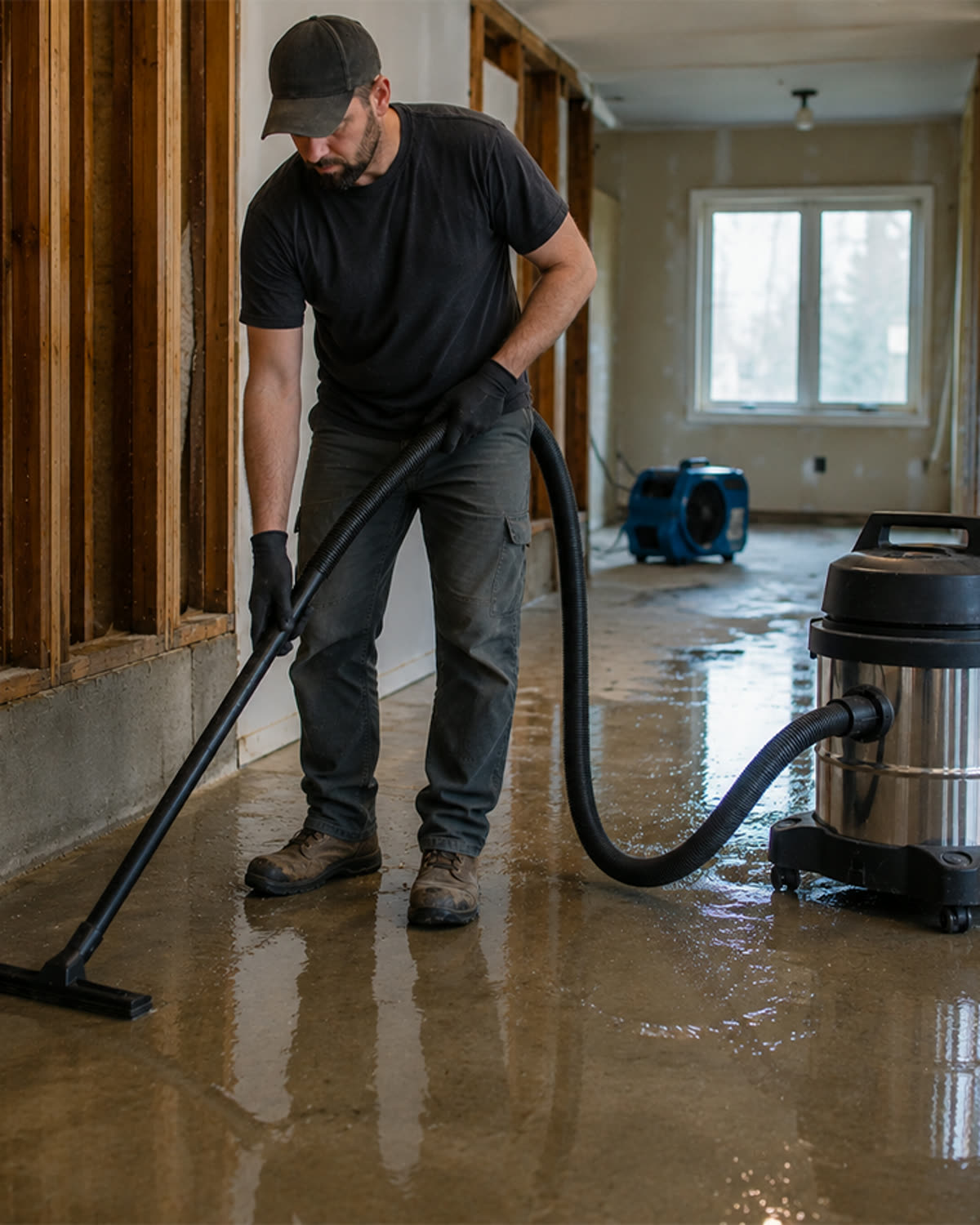
A burning smell coming from your shop vacuum can be alarming.
Sometimes it's harmless.
Sometimes it's the first warning that your motor is about to fail.
The challenge is knowing the difference.
Many people immediately assume the motor is burned out.
Others ignore the smell and keep working.
Neither is the right approach.
In most cases, a burning odor isn't the problem itself.
It's your vacuum telling you that something else has gone wrong.
The key is identifying why the motor is getting hot enough to create that smell.
Quick Answer
The most common cause of a burning smell is restricted airflow, which reduces the cooling air flowing through the motor.
Other causes include clogged filters, overloaded collection bags, hose blockages, worn motor brushes, slipping belts (on some vacuums), debris contacting the motor fan, electrical problems, or overheating from continuous heavy use.
If the smell is strong or accompanied by smoke, stop using the vacuum immediately until it has been inspected.
Not Every Burning Smell Is the Same
Contractors often describe every hot smell as "burning."
In reality, there are several different odors.
Learning to recognize them can save both money and downtime.
Common smells include:
- Hot dust
- Hot plastic
- Burning rubber
- Burning electrical insulation
- Hot motor windings
- Overheated bearings
Each points to a different problem.
🔬 Vacuum Science
Electric motors naturally generate heat.
That's normal.
What keeps them alive is airflow.
Every minute your vacuum operates, air moves through and around the motor, carrying heat away.
When airflow decreases...
Heat remains inside.
The motor doesn't suddenly become weaker.
It simply loses its cooling system.
The Motor Cooling System™
Most people think airflow exists only to clean the floor.
Actually, it performs two jobs.
Airflow

↓

Carries Dirt

AND

Cools the Motor
Lose either function...
Performance suffers.
Lose both...
Damage follows.
Cause #1 — A Clogged Filter
This is by far the most common reason contractors notice a burning smell.
As filters load with fine dust:
- Airflow decreases.
- Motor cooling decreases.
- Motor temperature rises.
Eventually components become hot enough to create a noticeable odor.
Often the smell disappears after restoring proper airflow.
Cause #2 — A Full Collection Bag
Packed collection bags restrict airflow just like clogged filters.
The motor continues working.
Cooling airflow decreases.
Heat builds.
Many contractors blame the motor when the real problem is simply an overfilled collection system.
Cause #3 — A Blocked Hose
A complete blockage dramatically reduces airflow.
Without enough moving air:
- Pickup disappears.
- Motor temperatures climb rapidly.
- The vacuum may begin smelling hot within minutes.
Always inspect the hose before assuming the motor has failed.
Cause #4 — Fine Dust Overloading the System
Drywall dust.
Concrete dust.
Silica.
Joint compound.
These materials clog filters much faster than ordinary debris.
The airflow reduction happens gradually.
The burning smell often appears before contractors realize suction has decreased.
The Heat Cascade™
Heat rarely appears without warning.
It follows a predictable sequence.
Fine Dust

↓

Filter Loading

↓

Reduced Airflow

↓

Reduced Motor Cooling

↓

Higher Temperature

↓

Burning Odor

↓

Possible Motor Damage
The smell isn't the beginning.
It's near the end.
Cause #5 — Worn Motor Brushes
Many shop vac motors use carbon brushes.
Over time they wear.
As brushes become shorter:
- Electrical arcing increases.
- Heat increases.
- Burning odors may develop.
Other symptoms include:
- Reduced power
- Excessive sparking
- Difficulty starting
Brushes are wear items and eventually require replacement.
Cause #6 — Debris Contacting the Cooling Fan
Occasionally debris enters areas it shouldn't.
Plastic.
String.
Insulation.
Packing material.
These materials may contact the motor fan.
The resulting friction creates heat and odor.
This problem often develops suddenly rather than gradually.
Cause #7 — Damaged Bearings
Motor bearings allow smooth rotation.
As bearings wear:
- Friction increases.
- Heat increases.
- Noise often increases.
Burning odors accompanied by grinding sounds should never be ignored.
Cause #8 — Electrical Problems
Although less common, electrical faults can create strong burning odors.
Examples include:
- Damaged wiring
- Loose electrical connections
- Overheated insulation
- Short circuits
These problems require immediate attention.
Do not continue operating the vacuum if electrical burning is suspected.
Cause #9 — Continuous Heavy Operation
Even a healthy vacuum has limits.
Running continuously while collecting extremely fine dust places enormous demands on:
- Filters
- Airflow
- Motor cooling
Long operating periods combined with poor airflow significantly increase heat buildup.
The Burning Smell Decision Tree™
Burning Smell?

↓

Smoke Visible?

↓

YES

↓

Stop Using Vacuum Immediately

NO

↓

Check Filter

↓

Check Collection Bag

↓

Check Hose

↓

Check Airflow

↓

Problem Solved?

↓

YES

↓

Continue Working

NO

↓

Inspect Motor Components
How to Tell If It's Serious
Stop using the vacuum immediately if you notice:
- Visible smoke
- Flames
- Strong electrical burning smell
- Melting plastic
- Motor repeatedly shutting off
- Loud grinding noises
- Sparks from the motor housing
These symptoms suggest a problem beyond normal filter maintenance.
Five Ways to Prevent Overheating
1. Maintain healthy airflow.
Everything starts here.
2. Empty collection bags early.
Don't sacrifice airflow for capacity.
3. Clean filters before major restriction develops.
Waiting too long increases heat dramatically.
4. Monitor motor temperature.
Warm is normal.
Extremely hot isn't.
5. Listen for changes.
Motor sound often changes before major overheating occurs.
Common Myths
Myth: A burning smell always means the motor is ruined.
Reality: Many burning odors result from restricted airflow rather than permanent motor damage.
Myth: If the vacuum still runs, it's safe to keep using it.
Reality: Continuing to operate an overheating vacuum can turn a minor maintenance issue into a major repair.
Myth: Bigger motors don't overheat.
Reality: Every motor depends on adequate cooling airflow.
Myth: Burning smells are just part of vacuuming drywall.
Reality: Fine dust makes overheating more likely, but persistent burning odors should always be investigated.
Frequently Asked Questions
Is a slight hot smell normal?
A mild "hot dust" smell after heavy use can occur. A strong or persistent burning odor deserves investigation.
Why does my vacuum smell hot after vacuuming drywall?
Drywall dust loads filters quickly, reducing airflow and motor cooling.
Can a dirty filter cause a burning smell?
Yes. It's one of the most common causes.
Should I keep using my vacuum if it smells like it's burning?
If the smell is minor, inspect the filter, bag, and airflow immediately. If you see smoke, melting, or smell electrical insulation, stop using the vacuum.
Can overheating permanently damage a motor?
Yes. Repeated overheating shortens the life of bearings, brushes, insulation, and motor windings.
Key Takeaways
A burning smell is your vacuum's warning system.
Most of the time...
The motor isn't failing.
It's overheating because something has reduced the airflow that normally keeps it cool.
Start by inspecting:
- The filter
- The collection bag
- The hose
- Airflow restrictions
Only after those have been ruled out should you suspect a more serious motor problem.
Remember:
Heat is usually the symptom.
Restricted airflow is usually the cause.